When Sarah walked into therapy for the first time, she described feeling like a stranger in her own body. “I’m here,” she said, “but I’m not really here.” If you’ve experienced trauma, you understand what she means. Trauma healing through body-based practices offers a pathway back to yourself, helping you reconnect with your body as a place of wisdom rather than just a container for pain.
Traditional talk therapy has its place, but sometimes words cannot reach the places where trauma lives. Trauma doesn’t just stay in your memories; it settles into your breath, your muscles, your nervous system. This is why holistic approaches that integrate the body, mind, and spirit have become essential tools in modern trauma recovery.
Why Your Body Holds the Key to Healing
Your body remembers everything. When trauma happens, your nervous system shifts into survival mode, activating fight, flight, or freeze responses. While this protects you in dangerous moments, unprocessed trauma can leave your nervous system stuck on high alert long after the threat has passed.
You might notice this as constant tension in your shoulders, shallow breathing, unexplained fatigue, or feeling triggered by everyday situations. These aren’t signs that something is wrong with you; they’re signs that your body is still trying to protect you from a danger that has already passed.
The beautiful truth? If trauma is stored in the body, then healing can happen through the body too. Trauma healing through body-based practices works by speaking directly to your nervous system in a language it understands, helping it recognize that you’re safe now.
Breathwork: Your Gateway to Nervous System Regulation
Breathwork is one of the most powerful yet accessible tools for trauma recovery. Your breath is the bridge between your conscious and unconscious mind, and it’s the only part of your autonomic nervous system you can consciously control.
When you’re stressed or triggered, your breathing becomes rapid and shallow. This signals danger to your brain, which then reinforces the stress response. By consciously slowing and deepening your breath, you can interrupt this cycle and signal safety to your entire system.
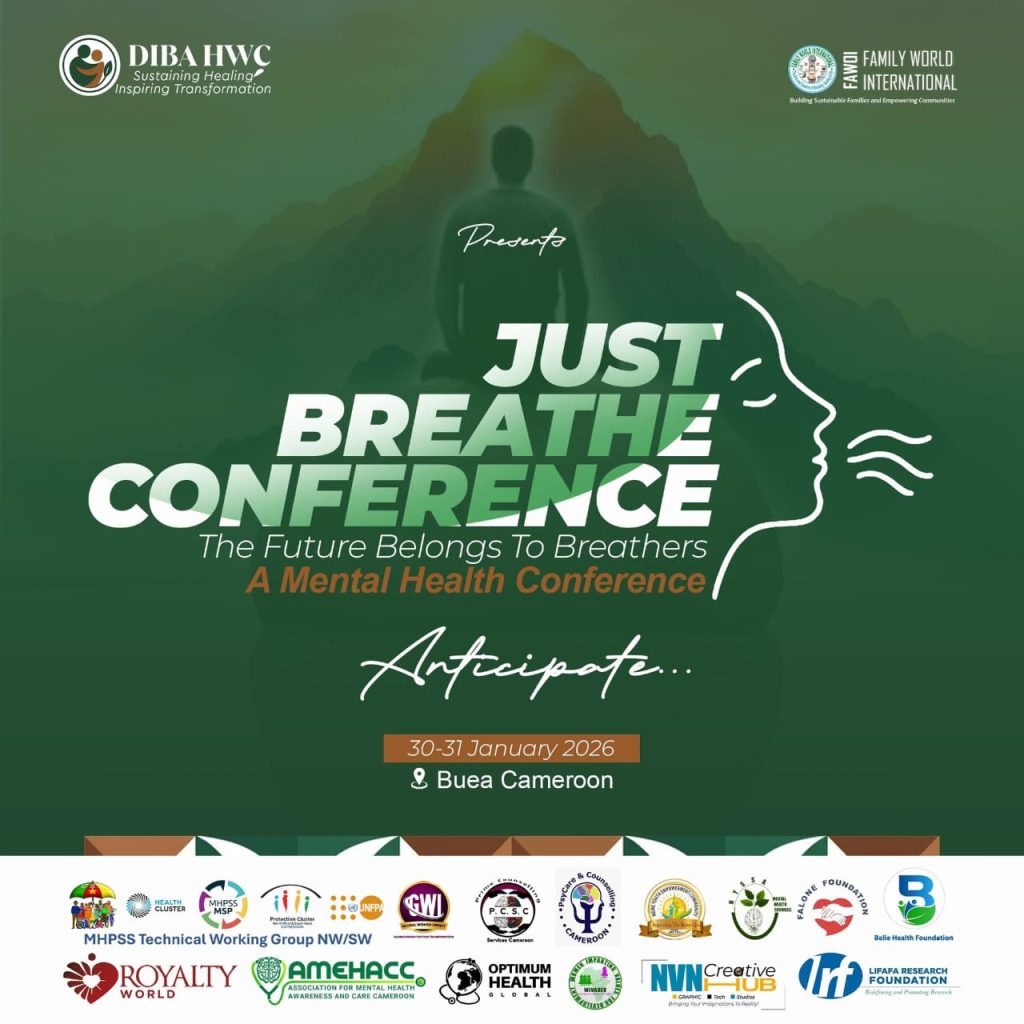
Through guided breathwork sessions, you learn to regulate your emotions in real-time, release stored tension, and cultivate presence. At DIBA Holistic Wellness Care, we’ve witnessed profound shifts when clients discover they can influence their own nervous system simply by changing how they breathe. Many participants who will gather at the upcoming Just Breathe Conference in January 2026 are discovering this truth: sometimes the path to healing begins with a single conscious breath.
Somatic Practices: Listening to Your Body’s Wisdom
Somatic practices involve gentle, intentional movements and body awareness exercises that help you reconnect with physical sensations. These practices recognize that your body holds wisdom that your mind might not yet be able to articulate.
Grounding techniques, for example, help anchor you in the present moment through your senses. You might practice feeling your feet on the ground, noticing the temperature of your skin, or gently stretching to reconnect with your body’s boundaries. For trauma survivors who experience dissociation or feeling disconnected from their bodies, these practices offer a gentle pathway home.
Trauma healing through body-based practices isn’t about pushing yourself or achieving goals. It’s about rediscovering your body as a source of strength and safety. It’s about learning to listen when your body says “I need rest” or “This doesn’t feel safe” instead of overriding those signals.
The Sacred Space of Guided Reflection
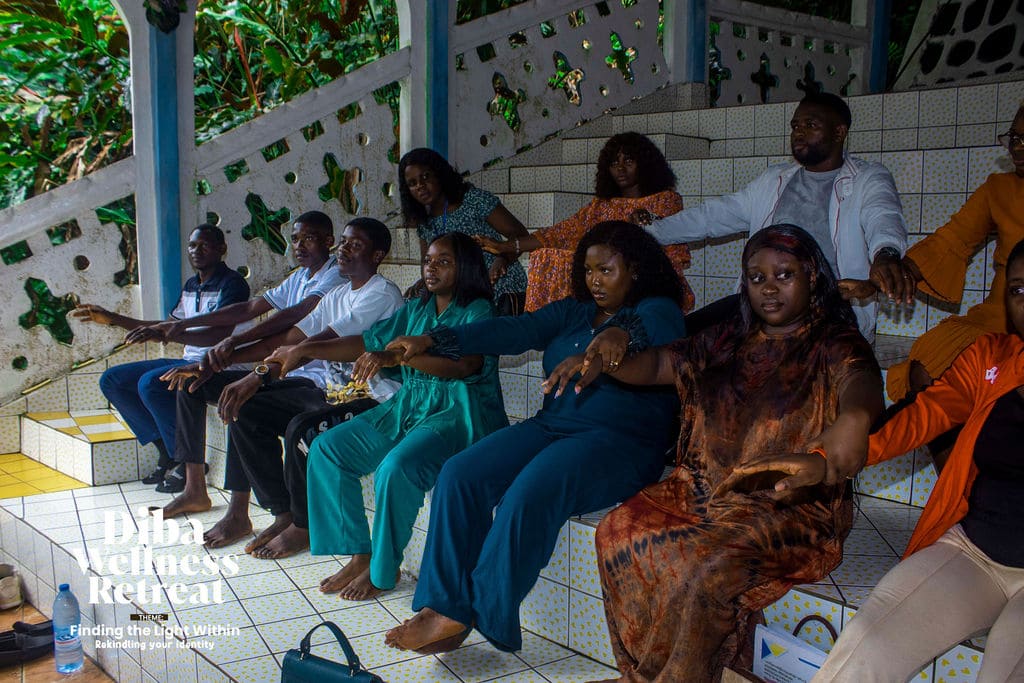
While body-based practices help you process trauma held in your physical self, spiritual practices like guided reflection help you find meaning and purpose in your healing journey. Trauma often disrupts our sense of safety, meaning, and connection. Guided reflection creates a safe container for exploring your inner landscape without becoming overwhelmed.
Unlike meditation that leaves you alone with your thoughts, guided reflection offers structure and direction. A trained facilitator helps you navigate difficult emotions, observe your thoughts without judgment, and cultivate self-compassion. This practice becomes especially powerful when combined with body awareness, allowing you to notice where emotions live in your body and how they shift as you process them.
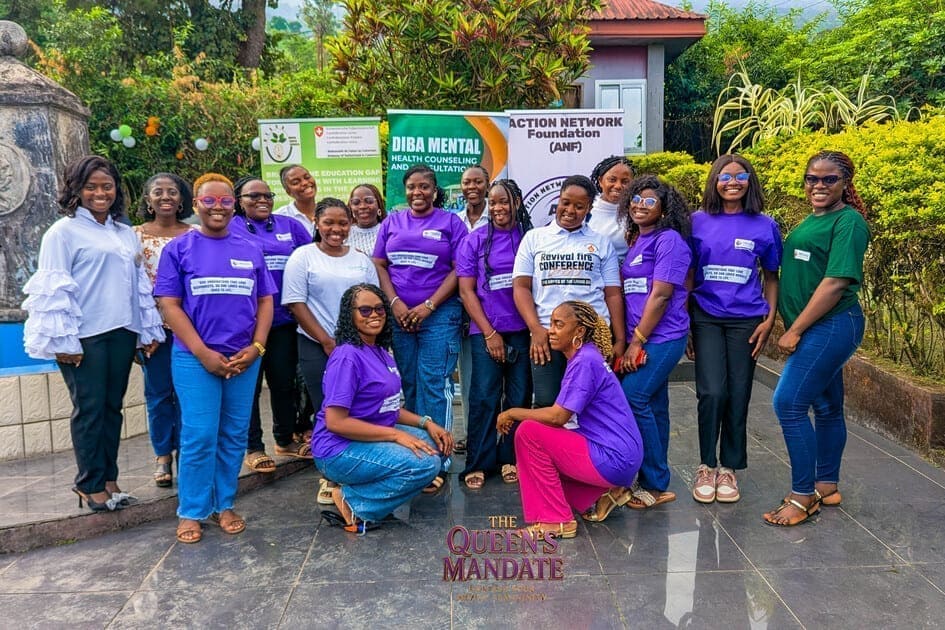
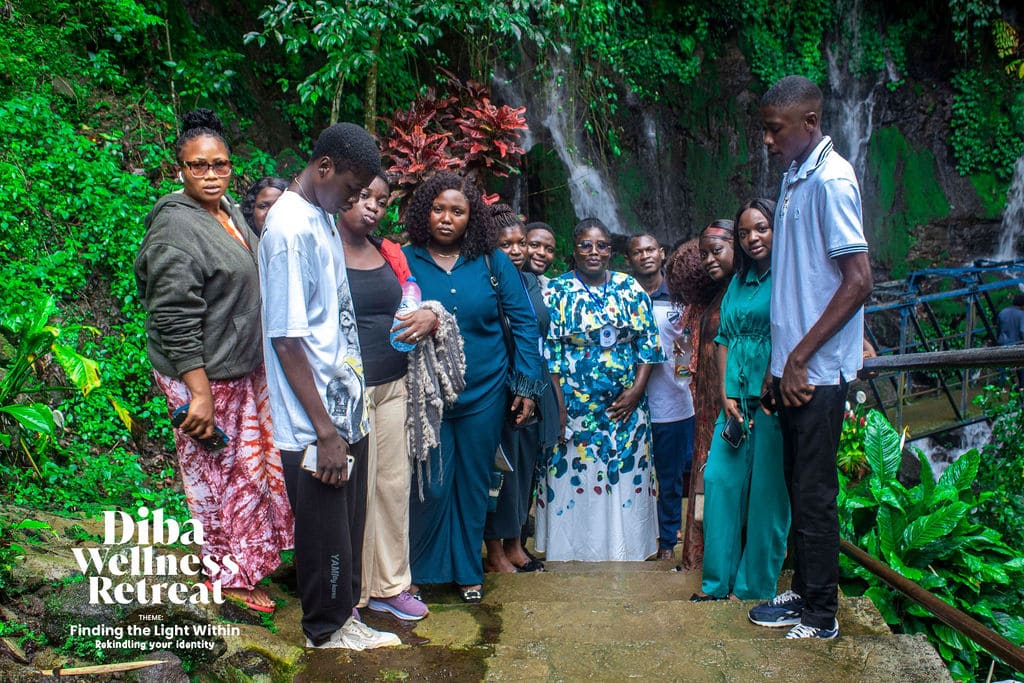
At our recent Women’s Wellness Retreat in Buea, participants experienced the integration of breathwork, somatic practices, and guided reflection. Women who arrived carrying years of unprocessed pain left with tools to regulate their emotions, a deeper connection to their bodies, and a community of support.
Why Retreats Accelerate Healing
Retreats offer something that weekly sessions cannot provide: immersion. When you step away from daily responsibilities and immerse yourself in a dedicated healing space, profound shifts become possible. You’re not juggling work stress, family obligations, or the distractions of everyday life. You’re simply present with yourself and your healing.
In retreat settings, trauma healing through body-based practices becomes deeply integrated. You might begin your day with breathwork to regulate your nervous system, move into somatic exercises that help you reconnect with your body, engage in guided reflection to process emotions, and close with grounding practices that anchor your insights.
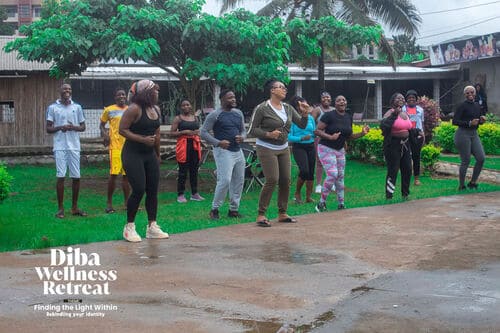
The power of retreats also lies in community. Healing happens in connection. When you’re surrounded by others who understand, who witness your pain without judgment, and who celebrate your breakthroughs, something shifts. The shame that often accompanies trauma begins to lift. You realize you’re not broken; you’re healing.
Creating Daily Practices That Support Long-Term Healing
While intensive experiences like retreats create powerful breakthroughs, lasting healing comes from consistent daily practices. The good news is that trauma healing through body-based practices doesn’t require hours of your time. Even five to ten minutes daily can significantly impact your nervous system over time.
Morning Grounding Ritual: Start your day by placing your feet flat on the floor, taking three deep breaths, and setting an intention for how you want to feel. This simple practice signals to your nervous system that you’re beginning the day from a place of presence rather than reactivity.
Breathwork Check-ins: Throughout your day, pause to notice your breath. Is it shallow or deep? Fast or slow? Without judgment, take three conscious breaths, making your exhale longer than your inhale. This activates your parasympathetic nervous system, promoting calm.
Evening Reflection: Before bed, spend a few minutes journaling or mentally reviewing your day with compassion. Notice moments when you felt grounded and moments when you felt triggered. This builds self-awareness and helps you track your healing progress.
The Integration: Bringing Mind, Body, and Spirit Together
True healing doesn’t happen in isolation of one modality. Trauma healing through body-based practices works best when integrated with compassionate therapeutic support and community connection. At DIBA Holistic Wellness Care, our holistic approach recognizes that you are a whole person, and every part of you deserves attention and care.
When you work with your body through somatic practices, you release what words cannot reach. When you engage your spirit through guided reflection and meaningful rituals, you reconnect with hope and purpose. When you combine these with trauma-informed therapy, you address your healing from every angle.
This integrated approach is what makes events like the Just Breathe Conference so valuable. When over 1,000 people, from youths to parents, teachers to therapists, gather with the shared intention of healing and learning, the collective energy amplifies individual transformation. It’s a reminder that healing is both deeply personal and profoundly communal.
Your Healing Journey Starts With One Step
If you’re reading this and feeling the weight of unprocessed trauma, know that healing is possible. Your body wants to heal. Your nervous system can learn to feel safe again. You don’t have to carry this alone.
Trauma healing through body-based practices offers a gentle, effective pathway toward wholeness. Whether you begin with learning to breathe consciously, attending a therapeutic retreat, or working one-on-one with a trauma-informed therapist, each step matters.
Your body has been holding your story. Now it’s time to help your body release what it no longer needs to carry and remember that you are more than what happened to you. You are resilient. You are worthy of peace. And healing is already available within you.
Ready to Begin Your Healing Journey?
At DIBA Holistic Wellness Care, we specialize in trauma-informed, holistic approaches that honor your mind, body, and spirit. Whether you’re looking for individual therapy, breathwork sessions, or immersive retreat experiences, we’re here to support you.
Book a therapy session and begin your personalized healing journey with compassionate, expert care. Contact us today.
Join us at the Just Breathe Conference on January 30-31, 2026, where over 1,000 people will gather to heal, learn, and build a mentally stronger Cameroon. The future is for breathers. Register here.
Your healing matters. Take the first step today.